
Journal of Environmental Treatment Techniques 2015, Volume 3, Issue 4, Pages: 201-203
201
Effect of Residual Antibiotics in Snacks against Escherichia coli
and Staphylococcus aureus
Lovet T. Kigigha, Sylvester Chibueze Izah* and Phillip E. Prebo
Department of Biological Sciences, Faculty of Science, Niger Delta University, Wilberforce Island, Bayelsa state, Nigeria
Received: 15/12/2015 Accepted: 27/12/2015 Published: 30/12/2015
Abstract
This study assessed the effect of ethanolic, hot water and cold water extracts of processed ready-to-eat snacks containing
protenous substances against Escherichia coli and Staphylococcus aureus. The snacks (shawama, Scotch egg and meat pie)
were purchased from fast food hawkers in Yenagoa metropolis, Bayelsa state, Nigeria. Disk-diffusion method was used for the
sensitivity testing of the various extracts and 1% Ampiclox was used for the comparison of the antibacterial effects. Results
showed that ethanolic extracts have superior effect compared to cold and hot water. For hot water treatment, the E. coli zone
of inhibition for scotch egg, shawama and meat pie were 8.38, 12.57 and 10.48mm respectively. For cold water extracts, these
were 10.48, 13.62 and 8.38mm respectively. For the ethanolic extracts, the zone of inhibition for the snacks was 12.57mm
(Scotch egg), 14.67mm (shawama) and 13.62mm (meat pie). For S. aureus, the corresponding zones of inhibition for the
snacks i.e scotch egg, shawama and meat pie were 10.48, 14.67 and 8.38mm respectively (for hot water extract), 10.48, 15.71
and 12.57mm respectively (for ethanolic extract) and 10.48, 12.57 and 10.48mm respectively (for cold water extract). Ethanolic
extract had higher zones of inhibition on both isolates. Also the E. coli had superior zone of inhibition compared to 1%
Ampiclox than S. aureus. Analysis of variance showed that there was significant difference (P<0.05) among the test organisms
used in this study based on the treatments. This study showed that residual antibiotics used for protenous sources (e.g egg, meat
etc) were transferred to their final products widely consumed by several people as fast foods, which are becoming more popular
with students and the working class who spent long hours from home.
Keywords: Food, Protein, Snacks, Escherichia coli, Staphylococcus aureus
1 Introduction
1
Food is a composite matrix that contains nutrients to
enhance growth [1]. Food substances include
carbohydrate, protein, lipids and water etc. Ready-to-eat
foods or snacks are foods that do not require further
processing prior to consumption. Most of these ready to
eat foods are vended along highways, streets, markets and
some public places including schools, hospitals, Motor
Parks, etc. Some common ready to eat products include
tomato, cabbage, ginger drink, lettuce, carrot, kunu zaki
drink, akara, fried groundnut, rice and beans, fired fish,
bread, zobo drink [2], and snacks such as scotch egg,
shawama, meat pie etc. In developing nation like Nigeria,
the consumption of snacks is high. This could be due to
high rate of unemployment and failed family and
community values [3]. Like fruits most ready-to-eat food
are rich in nutrients, micronutrients, vitamins and fibre.
Like most ready to eat food products, Scotch egg,
shawama, meat pie are sold in public places including
markets, fast food, stores, restaurants etc. During their
production, several natural and protenous ingredients are
used. For instance, poultry egg is used for the production
of Scotch egg. The poultry industry in which poultry-meat
is considered healthier than red meat is a vital source of
animal proteins [4]. In the poultry industry antibiotics are
used for the rearing of the birds due to several microbial
diseases that infects birds. As such antibiotics and growth
promoters are commonly used by poultry farmers for the
control infections [4]. Also, during the processing of cotch
egg, shawama, meat pie, other natural products with
Corresponding author: Sylvester Chibueze Izah, Department of Biological Sciences, Faculty of Science, Niger Delta
University, Wilberforce Island, Bayelsa state, Nigeria, E-mail: chivestizah@gmail.com; Tel: +234 703 0192 466.
antimicrobial activities such as pepper are added at varying
concentrations.
E. coli is a typical example of the family
Enterobacteriaceae which are associated with
gastroenteritis. The Staphylococcus aureus on the other
hand represents the superficial agents of infection. The
study therefore meant to test antibacterial inhibition
caused by residual antibiotics in some common snacks and
comparing their inhibition with that of 1% broad spectrum
antibiotics (Ampiclox).
2 Materials and Methods
2.1 Source of samples
Triplicate samples of the snacks (Scotch egg, meat pie
and shawama) were bought from fast food hawker in
Yenagoa metroplolis, Bayelsa State, Nigeria and
transported to the laboratory. Analysis was carried out <4
hours after purchase.
2.2 Preparation of Sample Extracts
In the laboratory, the various samples (Scotch egg, meat
pie and shawama) were separately macerated in a sterile
mortar and pestle. Then 10g each of the macerated samples
were soaked in 100ml of solvents (ethanol, hot water and
cold water) separately, which was vigorously shaked
intermittently for 24 hours. Thereafter, the samples was
filtered with muslin cloth followed by Whiteman No. 1
Journal weblink: http://www.jett.dormaj.com
J. Environ. Treat. Tech.
ISSN: 2309-1185
Journal of Environmental Treatment Techniques 2015, Volume 3, Issue 4, Pages: 201-203
202
filter paper. All extracts were persevered at 5ºC in the
refrigerator prior to the sensitivity testing.
2.3 Source of bacterial isolates
Test pathogenic bacteria isolates i.e S. aureus and E.
coli used for the study were obtained from Glory land
Clinic, Yenegoa, Bayelsa State of Nigeria. The purity of
the isolates was tested by subculturing and they were
preserved in nutrient agar slants at 5
º
C in the refrigerator
prior to use.
2.4 Impregnation of filter-paper discs with the extracts
and Antibacterial assessment
The disk-diffusion technique previously described by
Kigigha and Atuzie [5], Kigigha and Charlie [6], Kigigha
and Onyema [7] were used to test the antibacterial activity
of the different extracts using 10 mm discs. Whatman No.
1 filter paper was used to prepare the antibiotic discs using
cock borer. The solution containing the extracts (0.1ml
each) were impregnated on the disc using sterile pipette
and air- dried. 1% Ampiclox solution (which served for
comparison) was also impregnated on filter-paper discs.
Flame-sterilized and cooled pair of forceps was used for
the transfer of the discs separately. The different
treatments were placed separately on nutrient agar plates
with lawn spread growth of the test isolates. The filter
paper impregnated with 1% Ampiclox solution was also
placed separately on the lawn spread test isolates. The
discs were well spaced out on the agar plates to avoid
overlapping of the zones of inhibition. The plates were
incubated at 37°C for 72 hours to observe and measure the
zones of inhibition.
2.5 Statistical Analysis
Data was analyzed using Zigma-Stat 32 Statistical
package. Where normality and homescedasticity were
satisfied, data from treatment were analyzed using one-
way analysis of variance (ANOVA). Comparison for
treatments was analyzed using Tukey tests at P= 0.05.
3 Results and Discussion
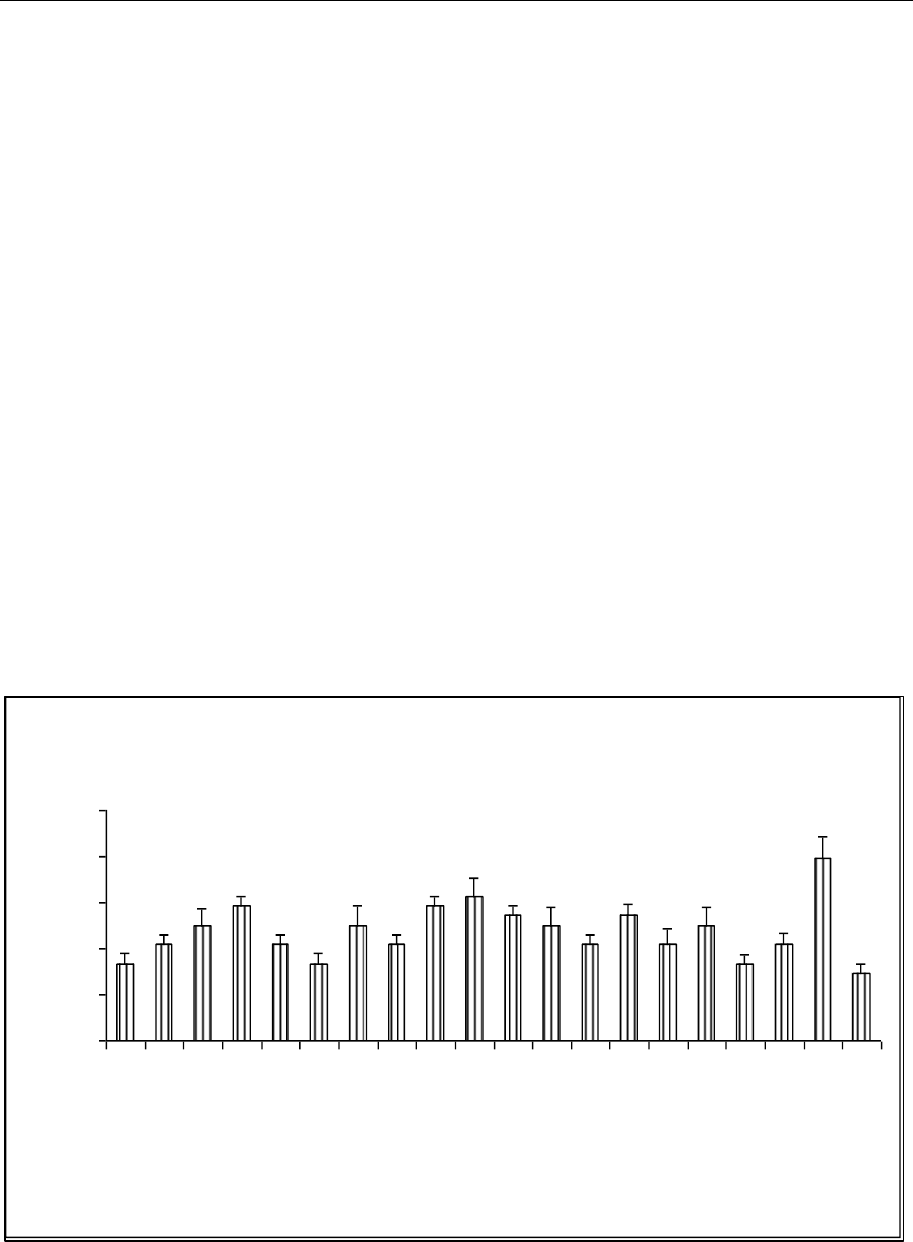
Figure 1 presents the antibacterial effects of the snacks
on some pathogenic microbes which was observed for hot
water scotch egg extracts were 8.38 and 10.48mm for
E.coli and S. aureus respectively; for hot water shawama
extracts were 12.57 and 14.67mm for E.coli and S. aureus
respectively and for hot water meat pie extracts were 10.48
and 8.38mm for E.coli and S. aureus respectively. The
various ethanolic extracts of the snacks were 12.57 and
10.48mm for E.coli and S. aureus respectively (scotch
egg), 14.67 and 15.71mm for E.coli and S. aureus
respectively (shawama) and 13.62 and 12.57mm for E.coli
and S. aureus respectively (meat pie). Also the cold water
extracts for the various snacks was 10.48 and 13.62mm for
E.coli and S. aureus respectively (scotch egg), 10.48 and
12.57mm for E.coli and S. aureus respectively (shawama)
and 8.38 and 10.48mm for E.coli and S. aureus
respectively (meat pie).
Fig 1: Zone of Inhibition for some fully processed snacks (shawama, meat pie and Scotch egg). (Ec= E.coli, Sa = S. aureus, SE = Scotch egg, SW= Shawama,
MP=Meat pie, Etol =Ethanol estracts, CW = Cool water extracts ; HW= Hot water extracts); n=3
The zone of inhibition for the 1% Ampiclox were
19.90 7.33mm for E.coli and S. aureus respectively.
Basically there was significance difference (p<0.05)
among the various treatment in both bacterial isolates. This
could be due to the various composition and level of
incorporation of spices/preservatives during their
processing. Again, the level of heating the products are
subjected to could have also contributed to the
antibacterial efficacy of the various snacks under study.
The results fluctuates for instance, S. aureus was higher in
scotch egg and shawama samples and lower for meat pie
(hot water extracts), E. coli have superior zone of
inhibition for scotch egg and meat pie but lower for
shawama) and cool water extract were consistent showing
Antimicrobial activity of Some Protenous Snacks
0
5
10
15
20
25
EcHW/SE
SaHW/SE
EcHW/SW
SaHW/SW
EcHW/MP
SaHW/MP
EcEtol/SE
SaEtol/SE
EcEtol/SW
SaEtol/SW
EcEtol/MP
SaEtol/MP
EcCW/SE
SaCW/SE
EcCW/SW
SaCW/SW
EcCW/MP
SaCW/MP
Ec AMPI
Sa AMPI
Treatment of Protenous Snack
Zones of Inhibition (mm2)

Journal of Environmental Treatment Techniques 2015, Volume 3, Issue 4, Pages: 201-203
203
that S. aureus has superior zone of inhibition than E. coli.
However, Ampiclox has lower and highest zone of
inhibition for S. aureus and E. coli respectively. The trend
of ampiclox having lesser effect in S. aureus when
compared to E.coli in agreement with the findings of
several authors on different substrates [5 – 7]. On the
overall, ethanol had higher zone of inhibition when
compared to other extracts (hot water and cold water). The
trend in this study was in conformity with findings of
Masih et al. [8], Ere et al. [9], Akintobi et al. [10] on
antibacterial effects of different plant species on some
microbes including the ones used in this study. Opoku and
Akoto [11] has attributed the presence of insoluble active
compound found in cold water and or denaturation of the
active constituents by the hot water extraction process as
potential reason why they have lower zone of inhibition.
The antibacterial potentials in the snacks (shawama,
scotch egg and meat pie) could stem from the fact that
livestock is an ingredient in the production of this snacks.
Poultry products including its meat (used for the
processing of the meat pie and shawama depending on
choice), egg (used for the processing of the scotch egg)
could be source of the antibacterial agent in the products.
Sometimes, the preservative or spice added to the food
products could also be potential antibiotics in the snacks.
4 Conclusion
This study evaluated the antimicrobial effects of some
fully processed snacks such as scotch egg, shawama and
meat pie prepared with poultry products on bacterial
isolates. The study found that the snacks have antibacterial
effects against common enteric and superficial etiologic
agents thus E.coli and S. aureus respectively. This is an
indication that drug-resistant in normal human flora could
be elated through eating of snacks. This also highlighted
the need to cure farm animals and their products of residual
antibiotics before they are sold to public. This could be
achieved through the use of prebiotics and probiotics and
botanicals in the rearing of livestocks. Also it appears to
be no legislation in Nigeria in this respect.
References
1. Akhigbemidu, W., Musa, A. and Kuforiji, O. (2015).
Assessment of the microbial qualities of noodles and
the accompanying seasonings. Nigerian Food
Journals, 33: 48 – 53.
2. Bukar A, Uba A, Oyeyi TI. 2010. Occurrence of some
entropathogenic bacteria in some minimally and fully
processed read –to-eat foods in Kano metropolis,
Nigeria. African Journal of Food Science 4(2): 32 – 36.
3. Oranusi, U.S. and Braide, W. (2012). A study of
microbial safety of ready-to-eat foods vended on
highways: Onitsha-Owerri, south east Nigeria.
International Research Journal of Microbiology,
3(2):066-071.
4. Ofongo-Abule RTS
and Ohimain EI (2015).
Antimicrobial effect induced by fresh ginger root
extracts in broilers. British Biotechnology Journal,
9(1): 1 -6.
5. Kigigha, L. T and Atuzie, M.N. (2012). Assessment of
traditional medicinal application of Alchornea
cordifolia. African Journal of Biotechnology, 11(8):
2083-2086.
6. Kigigha, L. T and E. J. Charlie (2012). Effect of
pepper-soup cooking on the antibacterial activity of
Monodora myristica. Continental J. Food Science
and Technology 6 (1): 8 – 11.
7. Kigigha LT and Onyema E. (2015). Antibacterial
activity of bitter leaf (Vernonia amygdalina) soup on
Staphylococcus aureus and Escherichia coli). Sky
Journal of Microbiology Research, 3(4): 041-045.
8. Masih H, Paul S, Yadav J, Pandey S and Peter JK
(2014). Antibacterial properties of selected medicinal
plants against pathogenic bacteria. International
Journal of Scientific Research and Management, 2(5):
915-924.
9. Ere D, Pondei K, Inaibo Q and Orutugu L (2014).
Phytochemicals and Antimicrobial activity of plant
parts of Ageratum conyzoides extracted using different
solvents. Journal of Chemical, Biological and
Physical Sciences, 4(4): 3429-3434.
10. Akintobi OA, Onoh CC, Ogele JO, Idowu AA, Ojo
OV and Okonko IO (2013). Antimicrobial Activities
of Zingiber Officinale(Ginger) Extract Against Some
Selected Pathogenic Bacteria. Nature and Science,
11(1): 7-15.
11. Opoku F and Akoto O (2015). Antimicrobial and
Phytochemical Properties of Alstonia Boonei Extracts.
Organic Chemistry Current Research, 4(1):
http://dx.doi.org/10.4172/2161-0401.1000137.